
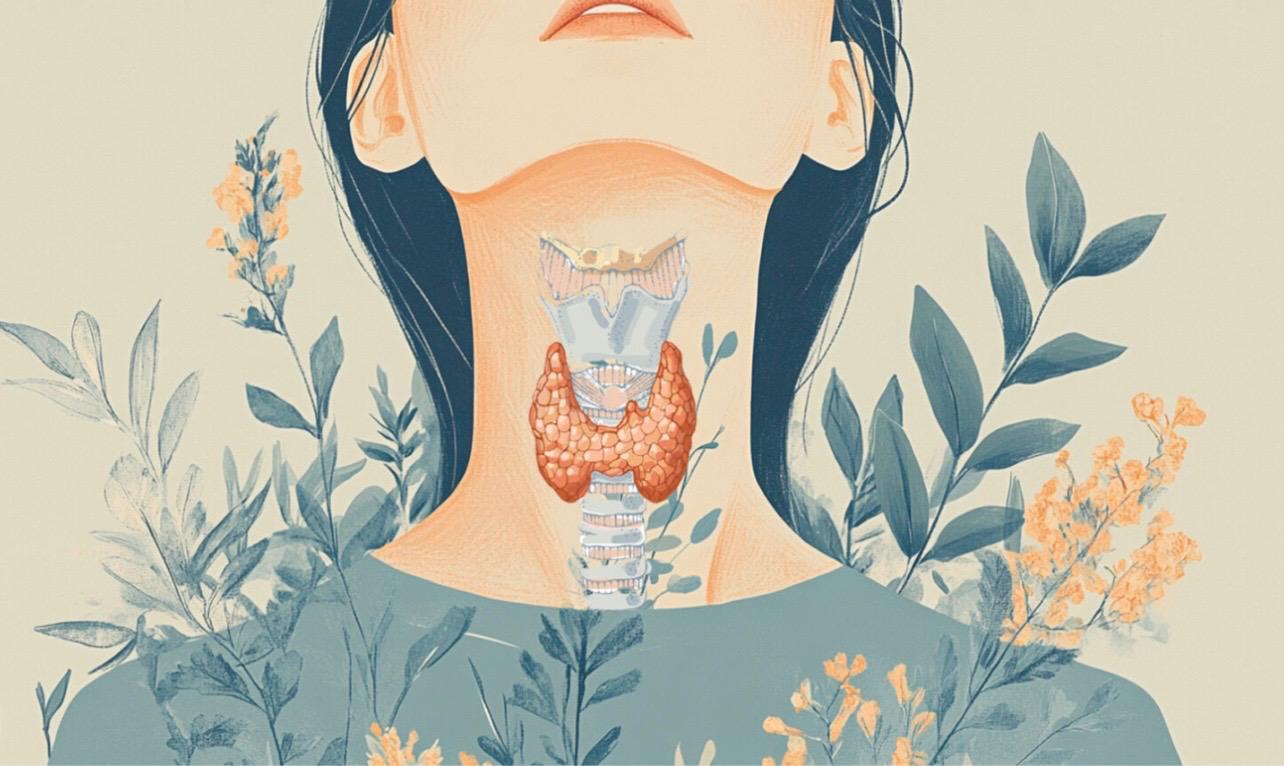
The thyroid gland plays a foundational role in regulating metabolism, energy production, mood, digestion, and body temperature. When thyroid function is even slightly imbalanced, it can affect multiple systems, often presenting as fatigue, brain fog, weight changes, or a general sense of feeling unwell.
Subclinical hypothyroidism affects approximately 4.3% of the population. While this stage may not always require medication, it reflects an early shift in thyroid physiology and offers an opportunity for proactive, whole body support.
A naturopathic and integrative approach focuses on identifying and addressing underlying contributors while supporting the body’s innate ability to restore balance.
Understanding Thyroid Function in Context
The thyroid is part of a broader hormonal network involving the brain, adrenal glands, immune system, and gastrointestinal tract. It produces hormones (T4 and T3) that regulate how every cell in the body uses energy.
Hypothyroidism: reduced thyroid hormone activity
Hyperthyroidism: elevated thyroid hormone activity
While diagnosis and treatment should always be guided by a licensed medical provider, daily lifestyle factors play a meaningful role in supporting optimal thyroid function.
Nutritional Foundations for Thyroid Support
From a naturopathic perspective, food is therapeutic. Nutrient status directly influences thyroid hormone production, conversion, and cellular response.
Iodine (balanced intake) is required for thyroid hormone synthesis. Found in seafood, dairy, iodized salt, and sea vegetables. Both deficiency and excess can disrupt function, so supplementation should be individualized.
Selenium supports antioxidant protection and conversion of T4 to active T3.
Sources include Brazil nuts (1–2 daily), sunflower seeds, eggs, and fish.
Zinc is Important for hormone signaling and immune balance. Found in legumes, nuts, seeds, and whole grains.
Antioxidant rich foods: Leafy greens, berries, herbs, and colorful vegetables help reduce oxidative stress and inflammation, which are commonly associated with thyroid dysfunction.
The Gut Thyroid Immune Connection
Naturopathic medicine recognizes the interconnectedness of body systems. Gut health plays a central role in thyroid function through its impact on nutrient absorption, inflammation, and immune regulation.
Strategies to support the gut include:
A fiber-rich, whole food diet
Fermented foods such as kefir, kimchi, and sauerkraut
Adequate hydration
This connection is particularly relevant in autoimmune conditions like Hashimoto’s thyroiditis, where gut integrity and immune balance are key components of care.
Stress and the Neuroendocrine System
Chronic stress can disrupt communication within the hypothalamic pituitary thyroid (HPT) axis and impact thyroid hormone production and conversion.
Naturopathic care emphasizes sustainable stress regulation through:
Breath-work and mindfulness practices
Gentle, restorative movement
Time in nature
Nervous system support
Consistent, small interventions can significantly improve hormonal resilience over time.
Sleep as a Therapeutic Priority
Restorative sleep is essential for endocrine balance. Disrupted sleep can impair metabolic function, increase inflammation, and alter thyroid signaling.
Supportive strategies include:
Consistent sleep and wake times
Reducing evening light exposure
Creating a calm sleep environment
Limiting stimulants later in the day
Movement and Metabolic Balance
Regular movement supports circulation, metabolism, mood, and stress regulation. From an integrative perspective, exercise should be tailored to the individual’s energy levels and overall health status.
Appropriate options may include:
Walking or low-impact cardio
Strength training
Yoga or Pilates
Balance is key: overexertion can be counterproductive in individuals with thyroid dysfunction
Reducing Environmental Burden
Environmental exposures can influence endocrine function. A naturopathic approach includes minimizing contact with substances that may disrupt thyroid hormone balance.
Practical steps include:
Choosing low-toxin personal care products
Reducing plastic use, especially for food storage
Filtering drinking water when possible
Addressing Root Causes
Thyroid dysfunction is often multifactorial. An integrative evaluation may assess:
Thyroid hormone levels and antibodies
Nutrient deficiencies
Inflammatory markers
Stress and adrenal function
Limit EMF exposure for thyroid health: Reduce proximity to devices like phones, laptops, and Wi-Fi routers, as studies suggest radiofrequency (RF) and extremely low frequency (ELF) radiation can induce oxidative stress, alter hormone levels (T3, T4, TSH), and cause structural damage. Key measures include using speakerphones, keeping devices away from neck/body, and maintain distance from routers.
This comprehensive approach allows for targeted, individualized care that addresses underlying imbalancesrather than symptoms alone.
When to Seek Medical Evaluation
While natural strategies can provide meaningful support, they do not replace appropriate medical care.
Evaluation is recommended if you experience:
Persistent fatigue
Weight changes
Hair thinning
Mood disturbances
Cold sensitivity
Heart palpitations
Early assessment supports timely and effective intervention.
A Whole-Body Approach to Thyroid Health
When to Seek Professional Support
Natural strategies can be powerful, but they are not a substitute for medical diagnosis or treatment when needed.
Consider evaluation if you experience:
Persistent fatigue
Unexplained weight changes
Hair thinning
Mood changes
Sensitivity to cold
Rapid or irregular heartbeat
Early insight allows for more targeted, effective intervention. A Balanced Approach: True thyroid health isn’t about quick fixes – it’s about creating the conditions for your body to function optimally. By combining medical guidance with thoughtful lifestyle choices, you support not just your thyroid, but your overall vitality and resilience.